
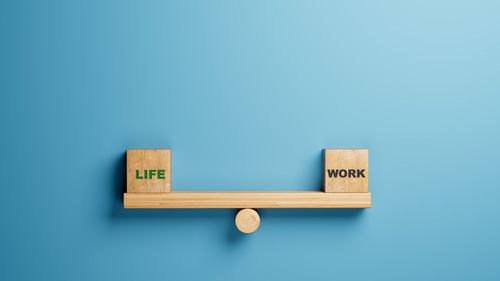
Let’s be honest. If you’ve been licensed for more than five minutes, you’ve probably rolled your eyes at the phrase work-life balance.
Because in this industry, balance can feel like a joke.
Our schedules don’t look like a typical nine-to-five. Our bodies are part of the job. Our emotions are part of the job. We don’t just provide services, we hold space, manage expectations, and show up fully present for people all day long.
So when someone says, “You just need better balance,” it can feel dismissive.
But here’s the truth I’ve learned over time: work-life balance isn’t a myth, but it is misunderstood. And for licensed beauty professionals, it doesn’t look like what most people think.
Why Balance Feels Impossible in This Industry
First, let’s talk about why balance feels so out of reach:
- Work long, irregular hours
- Stand or use their hands all day
- Manage emotional conversations with clients
- Feel pressure to say yes to every booking
- Tie income directly to availability
When your paycheck depends on how many clients you see, rest can feel risky. Saying no can feel like lost money. Taking time off can trigger guilt or fear.
Add social media into the mix, and suddenly it looks like everyone else is fully booked, thriving, and somehow still taking vacations.
That comparison alone can push people into burnout without realizing it.
The First Shift: Redefining What Balance Means
One of the biggest changes for me was redefining balance entirely.
Balance isn’t equal hours.
It isn’t perfect weeks.
It isn’t never feeling tired.
Balance is recovery.
It’s knowing how to come back to yourself after giving so much energy away. Some weeks will be heavier. Some seasons will demand more. Balance isn’t found inside each day, but across time.
Once I stopped trying to make every week feel “even,” I stopped feeling like I was failing.
Emotional Labor Is Real (And It Counts)
This part doesn’t get talked about enough.
Clients share a lot. Life changes. Stress. Trauma. Excitement. Grief. You might be the only calm place they visit that week.
That emotional labor adds up.
If you don’t account for it, you’ll wonder why you’re exhausted even on days that “weren’t that busy.”
One thing that helped me was acknowledging emotional effort as real work. When I started factoring that into how I scheduled clients, everything changed.
I stopped stacking emotionally heavy appointments back-to-back. I left space after intense consultations. I gave myself a few minutes to reset instead of rushing straight into the next service.
Those small pauses protected my energy more than I expected.
Balance isn’t something you achieve once. It’s something you adjust as you grow.